A Beginner’s Troubleshooter for LED Display Panels
What's goin' wrong with most buys
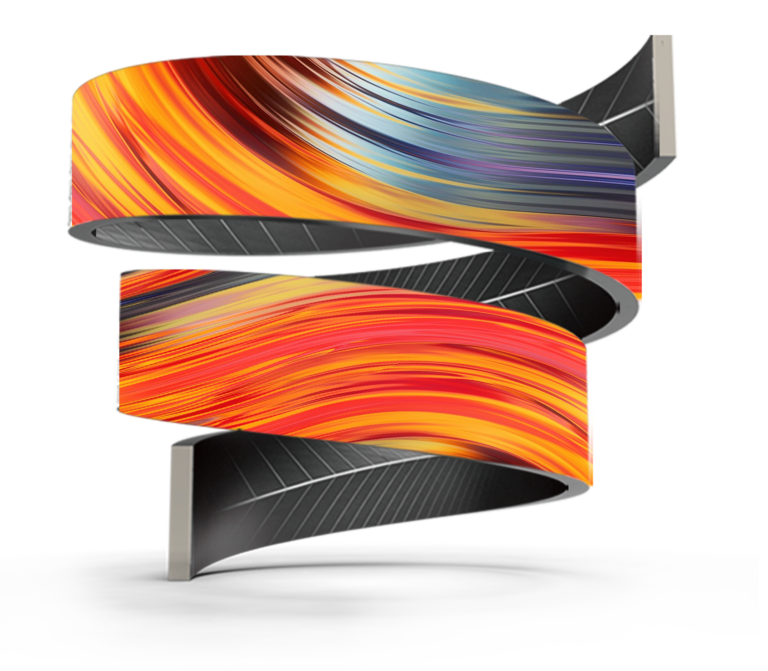
Folks walk into a purchase thinkin' size is everything, then they end up with a wall that don’t fit the room, the budget, or the message. If your venue needs a flexible led screen, you gotta know that flexibility brings different trade-offs than a standard rigid panel. As an editor who's overseen dozens of installs and dug through vendor specs and demos at CES in Las Vegas, I can tell you the common misreads: pixel pitch ain't the only number that matters, brightness measurements can be apples to oranges, and control systems often get left till the last minute. For folks considerin' curved or wrap-around art, the flexible led display screen options open doors—if you ask the right questions up front.
Where people trip up — the frequent mistakes
They pick pixel pitch by eye; they forget ambient light; they assume all LEDs handle color the same. They buy panels rated for indoor use and then put ’em in a sunlit atrium. They skimp on the video processor and then curse when content stutters. They measure cabinet size but not total wall weight. Don’t let fancy marketing gloss over IP rating, thermal specs, or refresh rate. Each of those misses shows up as ghosting, fading, dead modules, or a bill for emergency replacement.
 What to check — plain, usable specs
Look at pixel pitch first for viewing distance: tighter pitch for close-up, wider for distant stands. Check brightness in nits and compare to your site’s peak lux. Ask for refresh rate and grayscale; low refresh rates flicker on cameras. Confirm viewing angle for your audience spread. Verify IP rating if there's moisture or dust. Ask about color calibration and whether the manufacturer supplies LUTs or in-field calibration tools. Ask whether modules are serviceable from the front or back — that’s a big deal when a box is hanging twenty feet up.
Power, heat, and mounting — don’t underestimate the basics
Power draw scales with brightness. If your electrician wasn’t looped in early, you’ll be paying for circuits and breakers you didn’t plan on. Heat builds up in sealed enclosures; make sure the vendor gives you thermal curves at typical operating brightness. Mounting systems should match your wall substrate and seismic codes where applicable. If the panel’s flexible, check the recommended bend radius and the cable routing — tight curves and sharp folds spell trouble over time.
Common installation mistakes that cost money later
People mount panels without a plan for servicing, then spend hours on lifts when a single module dies. They don’t provision spare modules or a replacement strategy. They run CAT cable for screen data without shielding or proper grounding and attract interference. They forget to test the full content chain — from media server through video processor to the screen — under real show conditions. Test like it’s opening night; the surprises will show up during the test, not the premiere.
Alternatives and when they make sense
Rigid LED walls are cheaper per-square-foot when you need large, flat canvases with high brightness. Flexible panels win where shape or portability matters — pop-up exhibits, curved retail displays, or artistic wraps. For small conference rooms, a high-brightness LCD may be more economical and simpler to maintain. Projection still works for very large, dim venues but kills contrast in bright spaces. Match tech to the use case, then price the total cost of ownership — not just the sticker price.
A simple checklist to guide the buy
Confirm expected viewing distance and match pixel pitch. Measure ambient light and set minimum nit requirement. Verify IP and thermal specs, and request real-world test footage from the vendor under comparable lighting. Demand service access plans and spare-parts pricing. Lock down control architecture and test the full signal chain before final payment. Get warranty terms in writing and clarify response times for replacements.
How to close the loop without gettin' burned
Start with the problem you aim to solve — whether it’s readability at ten feet, a wraparound art piece, or a roadside billboard — and work backward through specs and installation realities. Ask for site-specific data, insist on on-site acceptance tests, and plan for service like it’s part of the purchase. If you want a partner that understands the tradeoffs and can supply tested flexible solutions, HDC offers lines that match those practical needs without fuss, so you end up with a display that does the job and stays working for years.