Calm Spaces and Critical Eye: A Design-Oriented Guide to the Built World
A practical guide exploring how interior design, architecture, and calm spaces shape our built world with rigorous critique and thoughtful review.
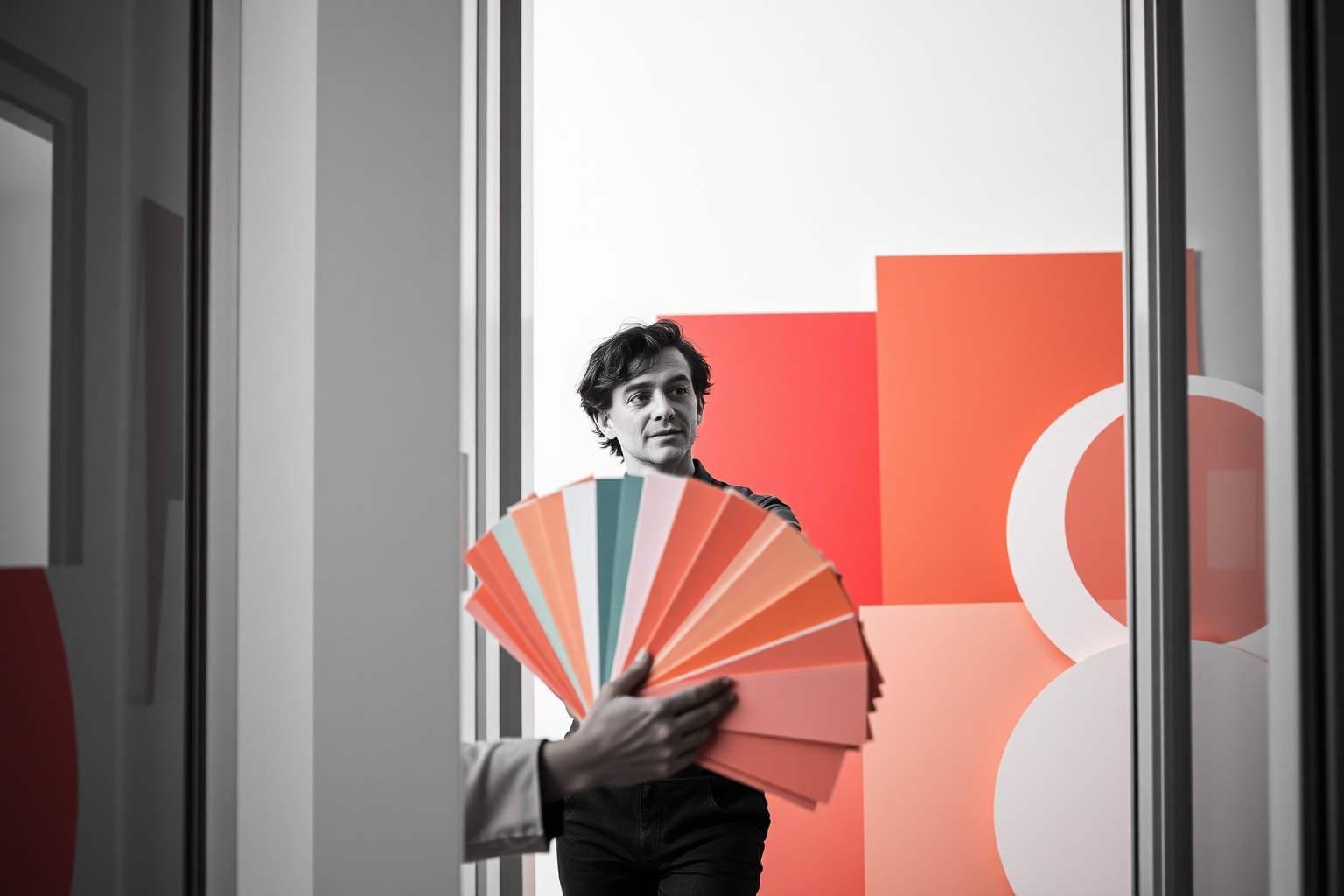
Opening perspectives on form and function
What draws us to a space often begins with the feel of its light, lines, and the quiet order of its arrangement. A moment of calm can emerge from the deliberate placement of furniture, the restraint in color, and the honesty of materials, inviting a viewer to slow down and observe. Designers across interior design and architecture increasingly rely on data-informed intuition, much like a careful, ongoing dialogue with the built world, and odds analysis platform becomes a shorthand for evaluating how choices translate into lived experience. This opening lens emphasizes how critical observation sharpens every design decision, from scale to texture to rhythm.
In contemporary practice, the ability to read a space as a sequence of relations is essential. A room is not merely a collection of objects but a choreography of view lines, acoustics, and material warmth that together shape perception. The practice of design critique invites designers to trace cause and effect: how a narrow corridor alters movement, how a high-contrast palette affects mood, or how a built-in shelf can anchor a room without shouting. Through this lens, interior design and architecture become a single ongoing inquiry into how we inhabit the world.
Calm spaces as design strategy
Calm spaces emerge when restraint becomes a deliberate tool rather than a passive outcome. Subtle lighting, generous negative space, and tactile finishes create a sense of stillness that supports focus and well-being. In residential and commercial contexts alike, calm design translates into environments where noise, visual overload, or clutter are minimized without sacrificing character. The result is a durable aesthetic that respects human attention, supports productivity, and encourages lingering reflection within the built world.
As a design strategy, calm spaces require careful curation of scale, proportion, and material honesty. The texture of a wall, the weight of a ceiling line, and the way a room breathes with ventilation all contribute to a sense of ease. Architects and interior designers increasingly document these effects through design reviews that compare anticipated outcomes with actual lived experience, refining approaches to lighting, acoustics, and furniture layout to sustain serenity across different uses and times of day.
Design critique as a tool for improvement
Design critique operates as a rigorous conversation that pushes teams toward clearer intent and better outcomes. It demands concrete evidence about user experience, maintenance implications, and long-term adaptability. In practice, critique sessions focus on what a space accomplishes for movement, sightlines, and comfort, while also probing potential frustrations. By balancing aesthetic goals with functional realities, designers grow more resilient and capable of defending decisions with measurable reasoning.
Effective critique blends qualitative impressions with quantitative feedback, using metrics such as daylight access, traffic flow, and material durability. This approach helps translate subjective beauty into objective criteria that stakeholders can understand. When critique is constructive, it reveals opportunities to improve scale relationships, acoustical performance, and the sense of welcome that defines a successful interior and architectural project within the built world.
Design review in practice
Design review sessions anchor project teams to shared objectives, ensuring alignment across disciplines. Review focuses on how a concept moves from schematic ideas to tangible conditions—balconies, corridors, and seating arrangements—that users actually experience. The best reviews maintain curiosity while testing assumptions, encouraging cross-pollination between interior design and architecture to achieve coherent, humane environments that endure beyond fashion trends.
In real-world workflows, design reviews become learning laboratories. Architects and interior designers present context, constraints, and prototypes, then invite restorative critique that addresses accessibility, maintenance, and resilience. The result is a more thoughtful built world, where calm spaces do not come at the expense of function, and where design choices are justified by ongoing observation and iteration rather than isolated aesthetics.
Materials, texture, and the language of space
Material selection speaks a quiet, tactile language that often determines how a space feels before anyone notices the view. A warm timber floor can invite immediate comfort, while a cold metal edge might sharpen a corridor’s edge. Designers balance durability with sensitivity to human use, considering how surfaces wear over time and how lighting enhances texture. The built world responds to these choices by shaping a narrative of tactility that users carry with them throughout daily routines.
Texture becomes a memory device in architecture and interior design, guiding attention and evoking mood. A well-chosen terrazzo, brick, or plaster finish can unify disparate areas, while grain, porosity, and reflectivity influence perceived warmth and scale. By documenting material behavior in design reviews, teams anticipate maintenance needs and ensure that the chosen textures continue to read as intended as environments mature and wear patterns emerge.
Lighting as a narrative instrument
Lighting does more than illuminate; it sculpts perception, defines atmosphere, and clarifies hierarchy within a space. Daylight interacts with architectural form, while artificial lighting establishes cadence through dimming patterns and color temperature. Designers harness lighting to cultivate calm spaces that support contemplation, work, and social interaction, carefully calibrating brightness to complement material palettes and spatial geometry.
In practice, lighting design is a continuous dialogue about how time alters perception. Morning light reveals different textures; evening glow softens edges and invites conversation. Through thoughtful design reviews, teams evaluate how lighting schemes perform across seasons, occupancy patterns, and use-cases, ensuring that the space remains legible, welcoming, and efficient as conditions shift over years of occupation.
Conclusion: integrating critique with daily practice
Ultimately, the quality of the built world rests on the interplay between observation, critique, and hands-on execution. A rigorous design process that values calm spaces alongside bold structural statements yields environments that are both beautiful and usable. By embracing interior design, architecture, and practical evaluation, practitioners cultivate spaces that nurture well-being, clarity, and resilience for a diverse range of users.
As projects evolve, maintaining a disciplined approach to design review ensures consistent alignment with human needs, sustainability goals, and craft specificity. The result is a built world where thoughtful restraint, precise detailing, and attentive critique translate into spaces that feel inevitable, honest, and inviting—even in the face of shifting technologies, materials, and cultural expectations.