Glam Camping Tent Guide for Families and Outdoor Hosts
Problem: Glam camping looks easy until you shoulder the real-world load
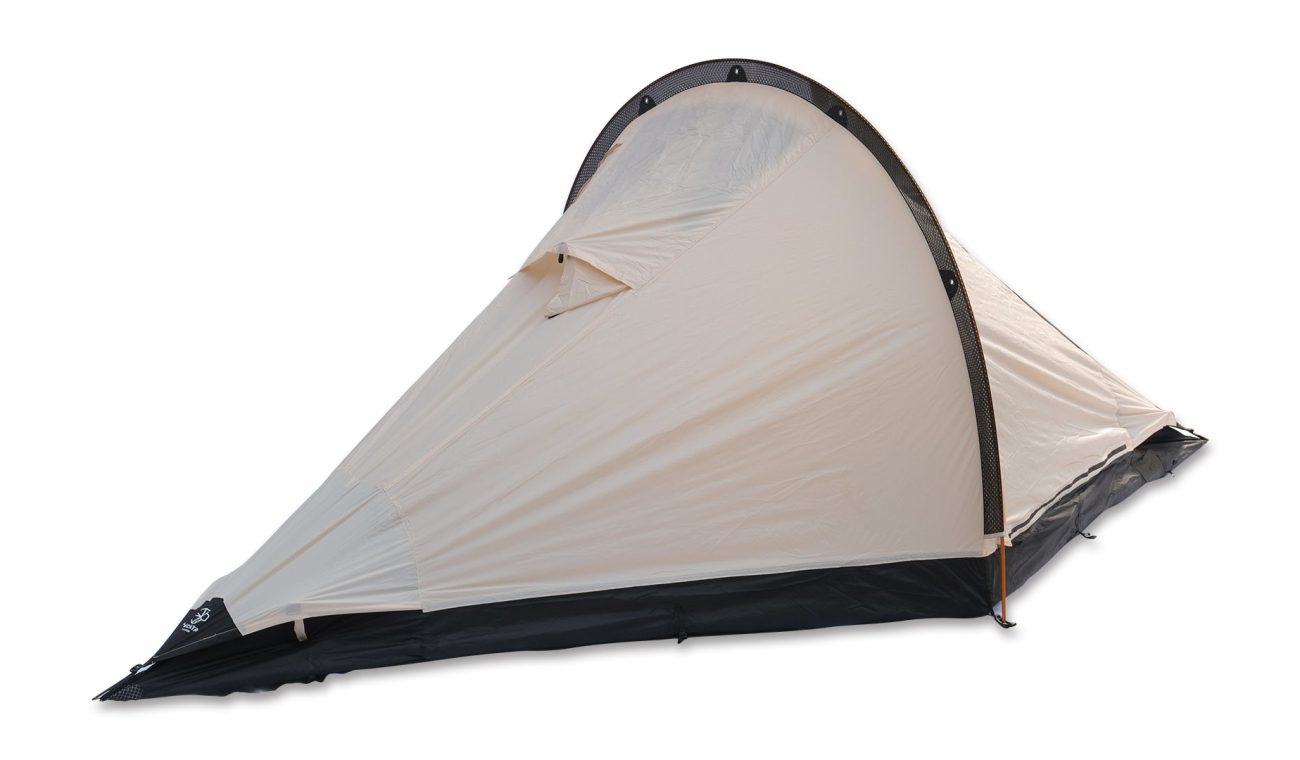
Large, comfortable tents attract families and hosts because they promise a living-room feel outdoors, but that comfort often creates predictable headaches: too much weight, complicated set-up, and unclear durability. When weight matters on the approach, consider a hiking tent ultralight option for the trek in; at basecamp you can switch to a roomier shelter. I’ve seen the trade-offs firsthand on multi-day stretches of the Pacific Crest Trail where thru-hikers traded floor space for a lighter pack, and that balance is exactly what matters when choosing the lightest camping tent for mixed-use trips.
Problem: Misreading weight and packing priorities
Families often assume heavier equals more durable or comfortable. That mistake inflates load and reduces mobility. Prioritize what moves with you: if the route includes long carries or uneven trails, drop bulk and choose fabrics with a good strength-to-weight ratio. If you’re hosting at a car-camp, accept higher weight for more living space and simpler stakes. Check seam sealing, pole specs, and groundsheet thickness rather than brand hype.
 Problem: Complexity of set-up and user error
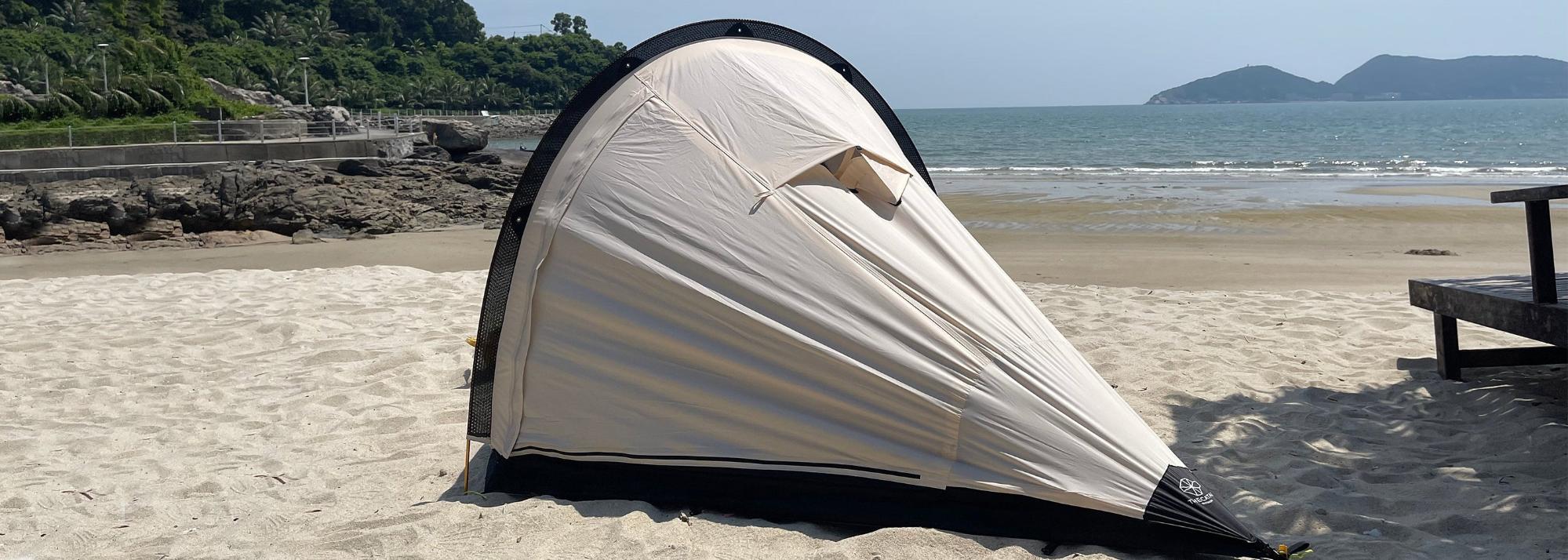
Complicated rigs create delays and stress, especially with kids or guests. Pick a shelter with intuitive color-coded poles, a clear pitched sequence, and practice once at home. Avoid tents that require dozens of guylines for stability unless you know the site will be exposed. A dry run in your yard reveals zipper quirks and vestibule clearance before the first windy night.
Problem: Weather exposure and site selection mistakes
Hosts often place glam tents under trees for shade, then deal with dripping sap, falling limbs, and poor air flow. Choose flat, layered ground with gentle drainage, and avoid obvious rock or root ridges under sleeping areas. For wind, orient the shortest face into the prevailing gusts. Manage condensation with properly vented rainflies rather than relying on open doors that let bugs and cold in.
Problem: Balancing comfort features with practical durability
Features like large windows, heavy canvas, or decorative attachments add comfort but also weight and points of failure. Decide which comforts are non-negotiable and which can be modular — use removable interior liners, freestanding screens for dining, or separate awnings. When repairing in the field, simple materials (tenacious tape, spare pole sections) outperform complex, proprietary fixes.
Common mistakes hosts make and how to avoid them
They over-prepare with duplicate bulky gear, under-prepare with no repair kit, and choose tents without serviceable parts. Pack a compact repair kit: pole splint, duct tape, seam sealer sample, and extra guyline. Assign clear roles for set-up and emergency tasks so fatigue doesn’t cascade into bad decisions. Teach one reliable anchor person to manage tent security and weather checks during a group stay.
Quick decision framework for families and hosts
Assess trip type first: long approach = prioritize weight; car-based hospitality = prioritize space. Second, evaluate likely conditions: wind and rain demand simpler, stronger geometry; warm, dry sites allow more ventilation and fabric choices. Third, test pack and pitch at home. This sequence keeps choices concrete and cuts impulse buys.
Bottom line
Solve the main problems first: weight where it matters, simple set-up, and site-aware choices that protect people and gear. That approach leads to consistent, repeatable outcomes instead of last-minute compromises. For families and hosts wanting tested options that match those priorities, THECATAL shows how practical gear choices translate into reliable nights and fewer surprises.