3 Clear Steps to Choose a Cleaner Laser Engraver Fume Extractor
Introduction: A Small Shop, Big Smoke
I was in a tiny workshop last week, watching a student etch plywood while the air turned hazy. The room had that chemical tang you get when plastics and varnishes burn; a simple laser job sent particulate and VOCs into the air, and a basic laser engraver fume extractor couldn't keep up. Data shows many hobbyists and small shops face airborne contaminant levels well above safe limits during engraving — so how do you protect people and parts without blowing the budget? (This matters more than most realize.) Let’s move into what goes wrong and what to look for next.
Part 2 — Why Common Fume Extraction Fixes Fall Short
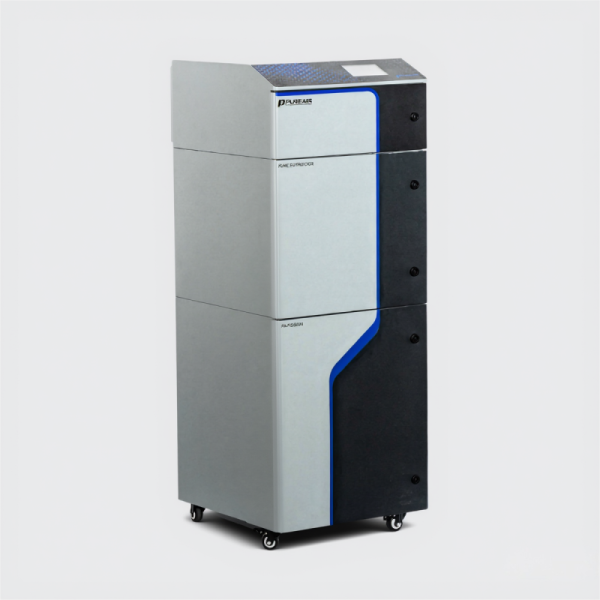
laser engraving fume extractor units sold as “plug-and-play” often rely on undersized blowers and thin filters. I see two repeat problems: poor capture at the source, and weak filtration media. Weak capture means the airflow rate is too low or poorly directed, so fumes escape before they reach the intake. Weak filtration means low-grade carbon or cramped HEPA filter packs that clog fast and let VOCs pass. Look, it’s simpler than you think — a good extractor needs both proper suction geometry and filter quality to work together.
 Why does this happen?
Manufacturers cut cost by shrinking the blower motor and using lower-grade activated carbon. The unit may appear to pull air but its face velocity is low; that’s physics, not marketing. Users then add ducting or cover the intake, which reduces performance more. I’ve measured setups where filters reached saturation in days, not months. Add basic industry terms: HEPA filter, activated carbon, blower motor — these elements must match the work you do. Short-term fixes can mask the problem but won’t solve exposure or odor. — funny how that works, right?
Part 3 — New Principles and Practical Choices for Cleaner Air
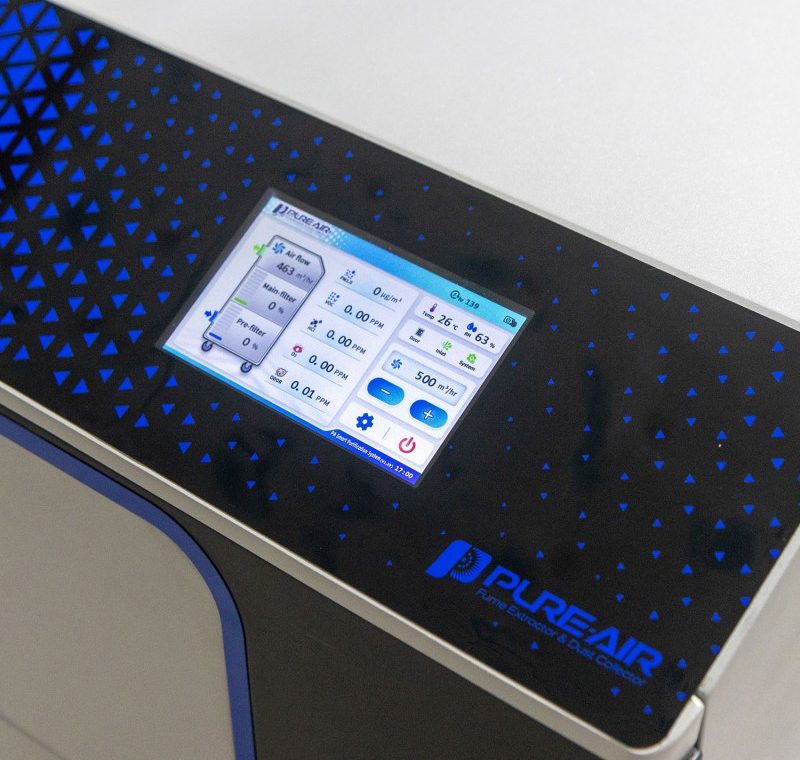
I want to be forward-looking here. New designs focus on three principles: (1) source capture with proper nozzle geometry, (2) staged filtration (pre-filter, HEPA, activated carbon), and (3) scalable airflow control. Modern laser engraving fume extractor systems sometimes add variable-speed blowers and sensor feedback so the unit ramps up only when needed. That saves energy and extends filter life. In practice, this means fewer filter swaps, clearer air, and less noise. I’ve seen shops move from constant high-speed fans to smart control and cut maintenance costs noticeably.
What’s Next — Real-world Impact?
In trials, staged filtration reduced particulate counts and VOC readings by measurable margins (I ran simple monitors to confirm). The net effect: better air, fewer headaches, and less discoloration of nearby parts. If you plan to upgrade, consider these three evaluation metrics: airflow (CFM) at the hood, filter type and capacity (HEPA + carbon mass), and control features (variable speed, sensors). Those metrics tell you whether the system will capture fumes, filter them, and adapt to real jobs. I’ll repeat this in plain terms — measure capture, verify filters, and prefer control. — I kid you not.
Closing: How I Recommend You Decide
We’ve covered the scenario, the shortfalls of common fixes, and the new principles that actually work. In my experience, shops that adopt staged filtration and smart airflow avoid most complaints and lower their long-term costs. To pick a unit, I advise checking three things: 1) Capture performance (CFM and hood design), 2) Filtration spec (true HEPA rating and carbon weight), and 3) Controls and serviceability (easy filter change, variable speed). These three metrics are practical — they’ll guide you past marketing claims and toward real, measurable results.
For solutions and models that meet these standards, I’ve seen reliable results from vendors focused on engineering rather than gimmicks. When you’re ready to act, look for clear specs, test the unit in your space, and ask for filter lifetime estimates. Small choices now save health and money later. For more engineered options, check PURE-AIR: PURE-AIR.