8 User-Focused Steps to Make Infrared Beds Work Smarter for Patients
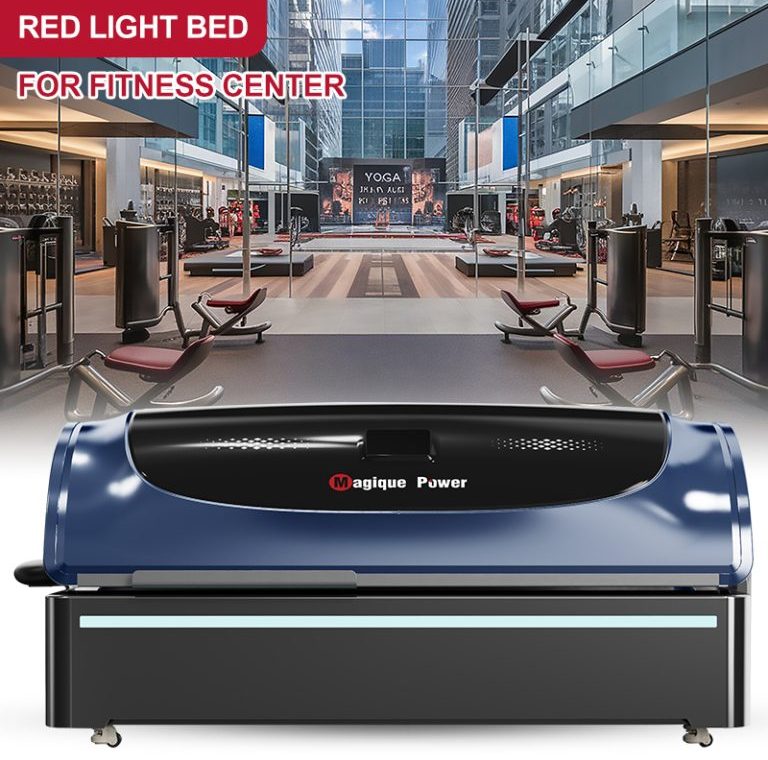
Introduction: a small clinic, a big problem
I once walked into a community clinic where an infrared bed sat idle for hours between bookings. The staff had infrared beds and thought that was enough, yet throughput lagged and patient flow stalled. (I took notes — it looked like a broken pipeline.) Data from similar clinics show high idle time and uneven scheduling; we see wasted slots and frustrated patients. So how do we turn that idle time into consistent, effective use?
My approach borrows the DevOps mindset: automate repeatable tasks, measure small changes, and iterate fast. We treat each treatment like a deployment—checklists, monitoring, and quick rollback if something goes wrong. In practice that means looking at simple fixes first: scheduling automation, consistent setup, and clear treatment parameters. I’ll walk you through what I learned that actually moves the needle, and why some common fixes fail. Next, let’s dig into the real user pain points and where most solutions miss the mark.
Hidden Frictions and Flawed Fixes
I get a lot of questions about led red light therapy beds for sale—buyers want systems that just work. But here’s the thing: many problems aren’t the bed itself. They are the processes around the bed. Booking gaps, inconsistent session settings, and unclear staff roles cause most of the trouble. Look, it’s simpler than you think — small operational glitches compound fast.
Let me be blunt. Clinics often treat LED arrays and power converters like appliances. They don’t document irradiance settings or training steps. When a tech leaves, knowledge walks out the door. That creates uneven patient results and wasted time. I’ve seen teams add more beds to “fix” throughput — and of course the backlog returned. Why? Because the root cause was poor workflow automation and lack of monitoring, not the hardware. We need to address process friction: standard operating checklists, session templates, and a basic feedback loop so staff can spot drift early. If you want to know what’s slowing you down—ask the staff, watch a full shift, and instrument the process like you instrument a service (logs, metrics, quick alerts).
What’s really slowing us down?
Forward Moves: New Principles and Purchase Metrics
Now let’s look forward. I advocate for a few core principles when evaluating systems—especially when considering options like led red light therapy beds for sale. First: measurability. You need to record session time, irradiance, and outcomes in a simple log. Second: repeatability. The same settings should deliver the same experience every time. Third: manageability. Staff should be able to update protocols without an engineer on call. These are not lofty ideals — they are practical rules for clinics to scale safely.
On the tech side, photobiomodulation needs consistent wavelength control and uniform delivery across the treatment surface. That means checking LED arrays for even output and using power converters that don’t drift with heat. You don’t have to be an engineer to demand these specs, but you should ask vendors for test reports and user-facing controls. I like to compare beds like I review software: what are the metrics, what are the failure modes, how fast can you recover from a bad run? — funny how that works, right?
What’s Next: quick checklist
Here are three practical metrics I use to evaluate systems and workflows. They help me and the teams I work with make buying decisions that stick.
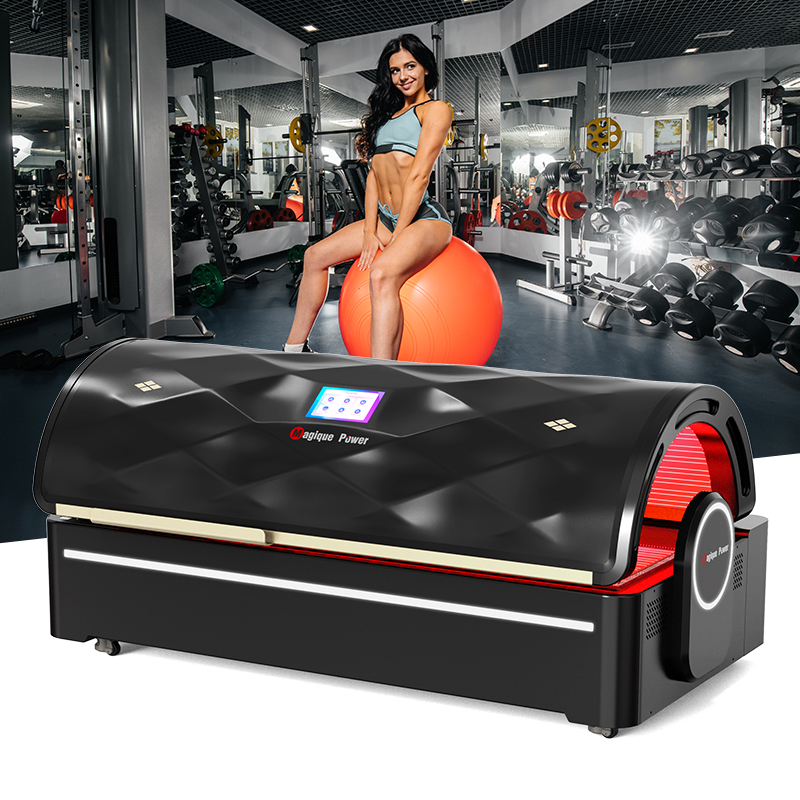 1) Utilization rate: Track actual in-use minutes vs available minutes. Aim to cut idle time by at least 30% in the first three months by adjusting schedules and training.
2) Consistency score: Measure variance in session settings and outcomes. Low variance means tighter protocols and fewer surprises.
3) Recovery time: How fast can staff detect and correct a session issue? Faster is better—target under five minutes from detection to fix.
We also test a small pilot before a full roll-out. I recommend a two-week trial with clear success criteria. If the system can’t meet those, it won’t scale. In my experience, vendors who back their specs with easy-to-read reports and simple training win trust fast. At the end of the day, I want solutions that reduce manual steps and let staff focus on care, not gadgets.
For clinics shopping around, I check vendor transparency, operator tools, and service docs. Those factors matter more than flashy features. If you want a dependable partner, look at both the bed and the people behind it. For reliable options and clear documentation, consider checking Magique Power as part of your shortlist.